If you're building or buying property in the Texas Hill Country, you may face the question: should I go with a septic system or connect to a municipal sewer line? For most rural landowners the decision is already made by geography, but it's worth understanding what you're actually choosing between.
The case for septic
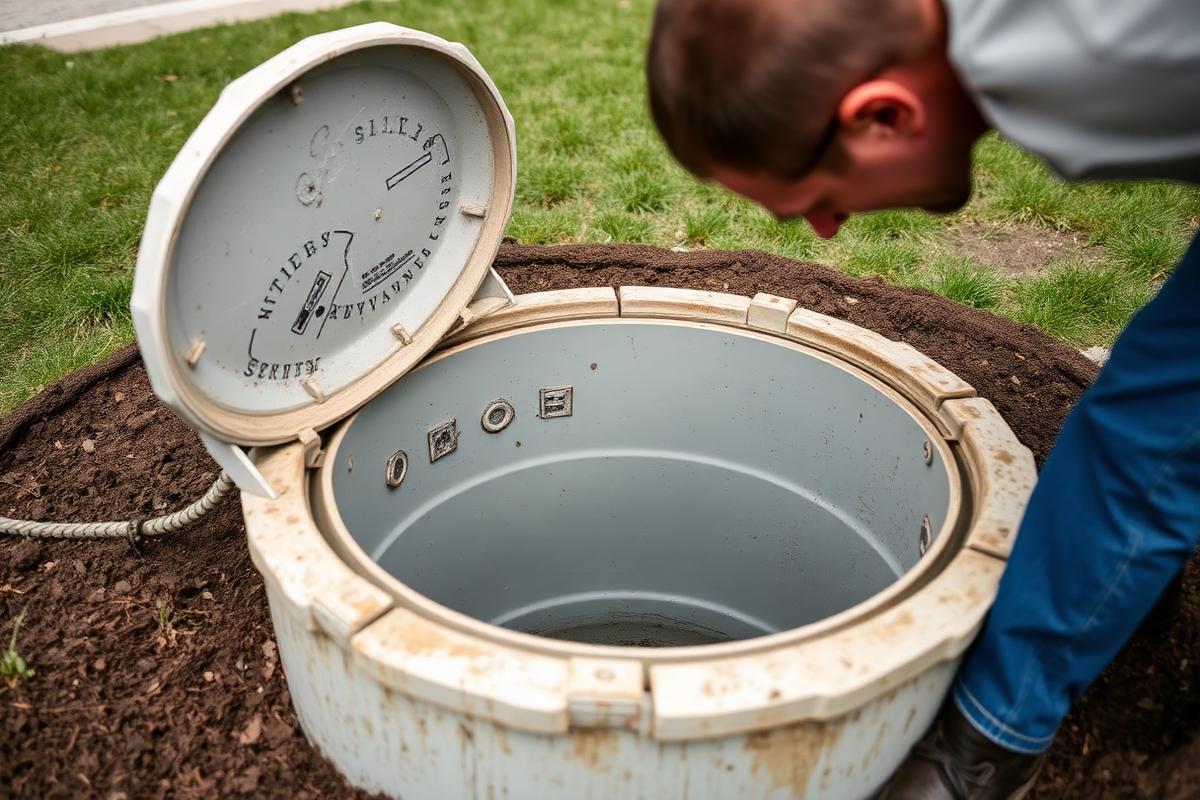
A septic system treats and disperses wastewater on your own property. There's no monthly utility bill, no dependence on a municipal system, and no tap fee to connect. On acreage, it's almost always the practical answer — running a sewer lateral thousands of feet to a main is rarely worth the cost, if a main even exists nearby.
- No recurring sewer bill
- Full control over your own system
- Works anywhere with suitable soil and space
- Adds long-term value to rural property when installed correctly
The case for sewer
If your lot already sits on a municipal line, connecting is usually simpler. Maintenance becomes someone else's problem, and you don't need to think about pumping schedules or drain field health. The trade-off is a permanent monthly bill and no control over rate increases.
What actually decides it in the Hill Country
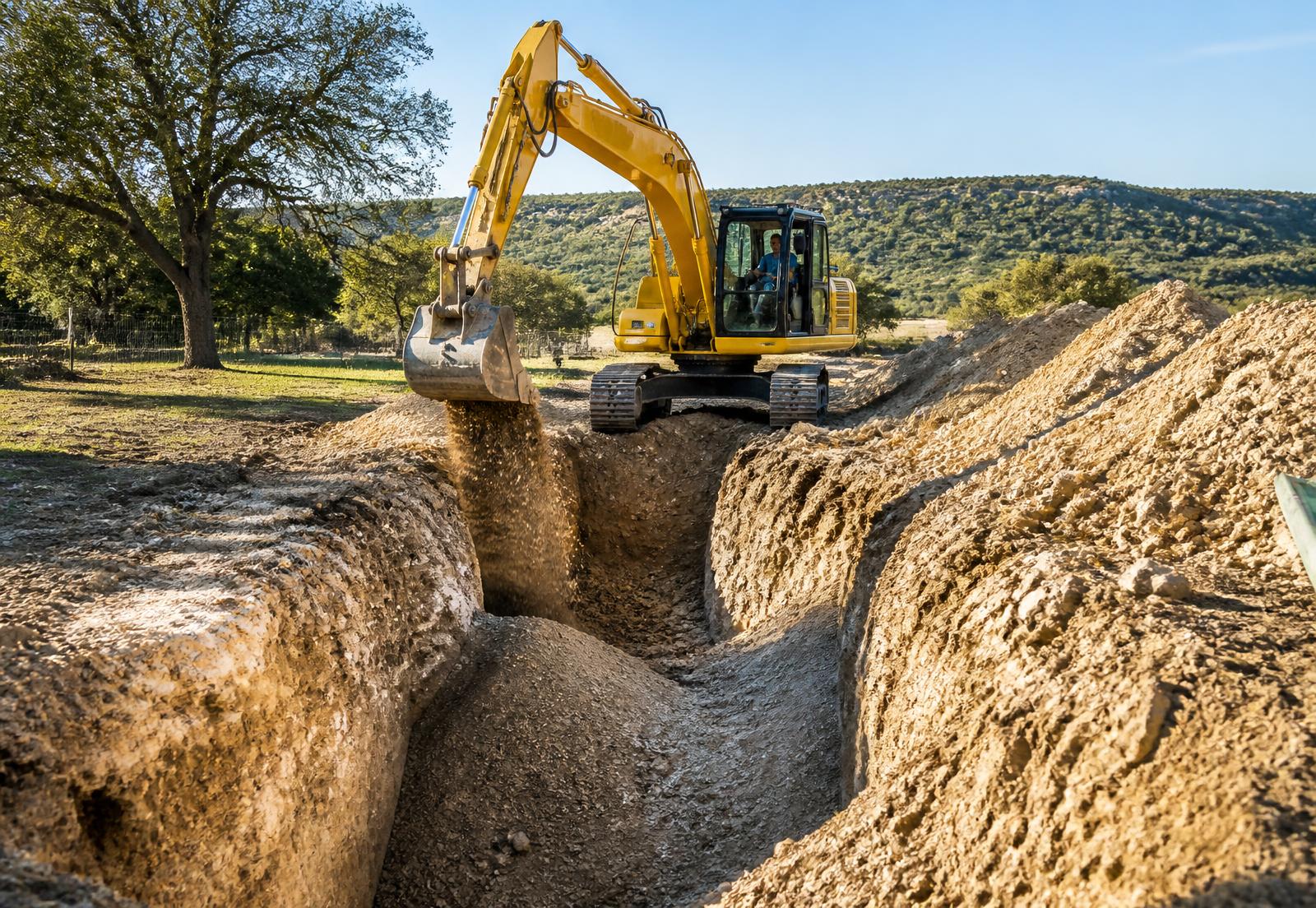
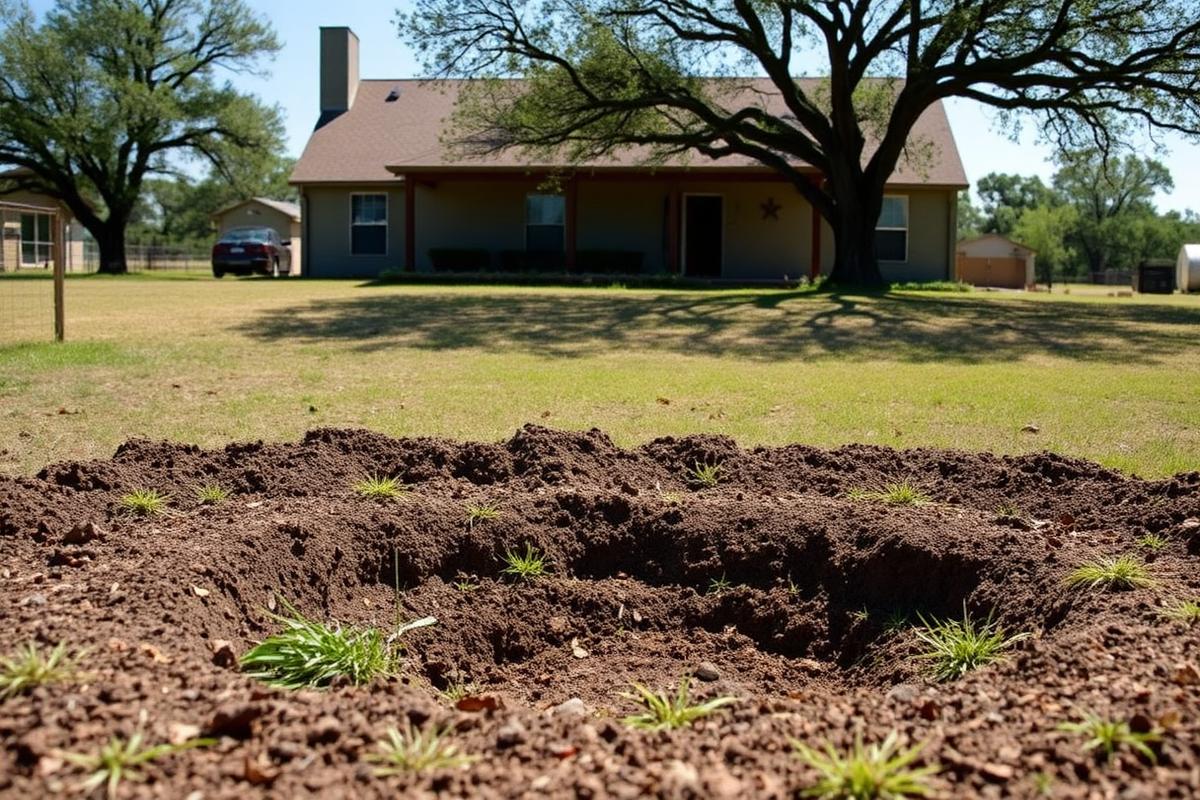
Soil depth and rock. Much of the land around Fredericksburg has thin soil over limestone, which rules out a standard drain field on some lots. That doesn't mean septic is off the table — it means the right system is an aerobic or drip dispersal design instead of a conventional one. A soil evaluation tells you exactly which direction to go before you spend money.
Our recommendation
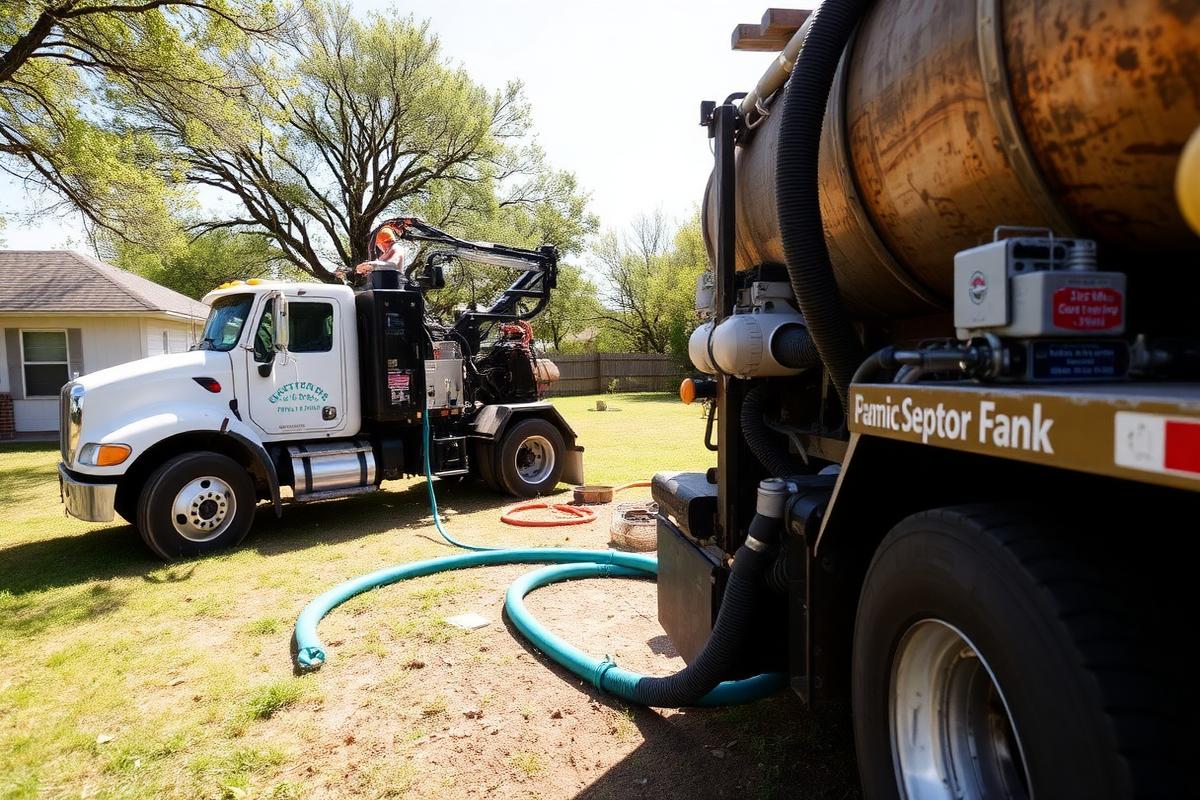
If you're on acreage, plan for septic and plan for it properly. Get the soil tested early, size the system for the household you'll actually have, and budget for maintenance. A correctly designed system installed on good ground will outlast most of what else you build on the property.